
Hey, I'm Gagan
Senior Software Engineer and Architect at Marriott International. Founder of  GLINR STUDIOS and
 theSVG. Launching Levelrail,
 profClaw &
 AskVerdict.
10+ years shipping code - I architect, design, and build distributed systems at scale and open-source tools developers actually use. See what I'm building
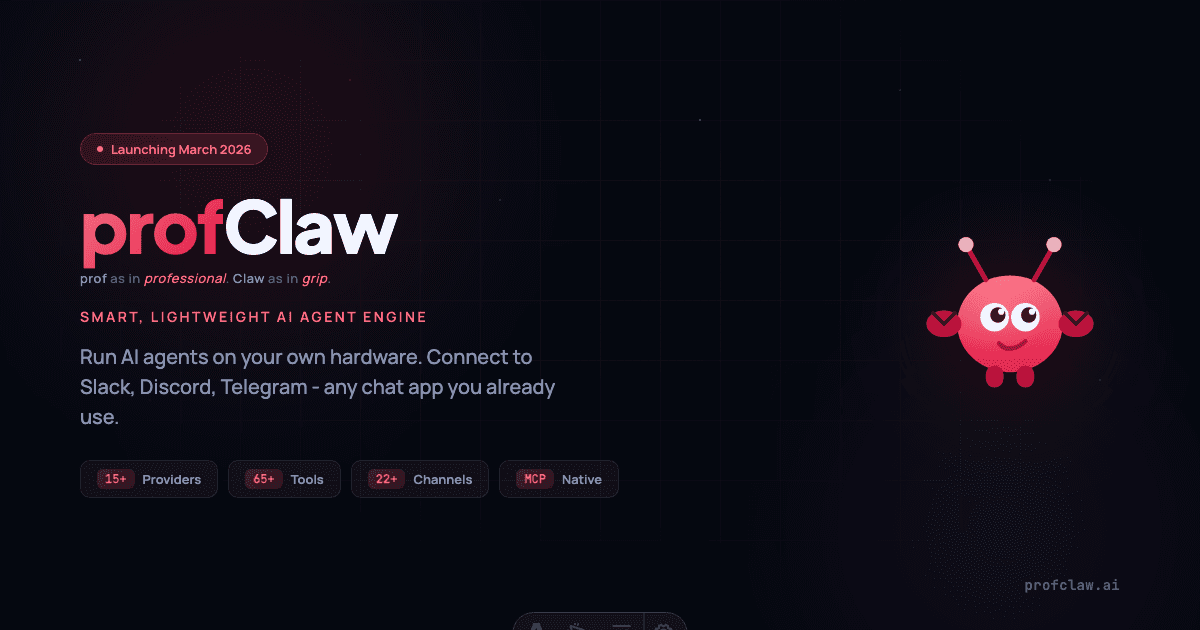 profClawprofclaw.ai
AI agent engine - local-first, smart, lightweight
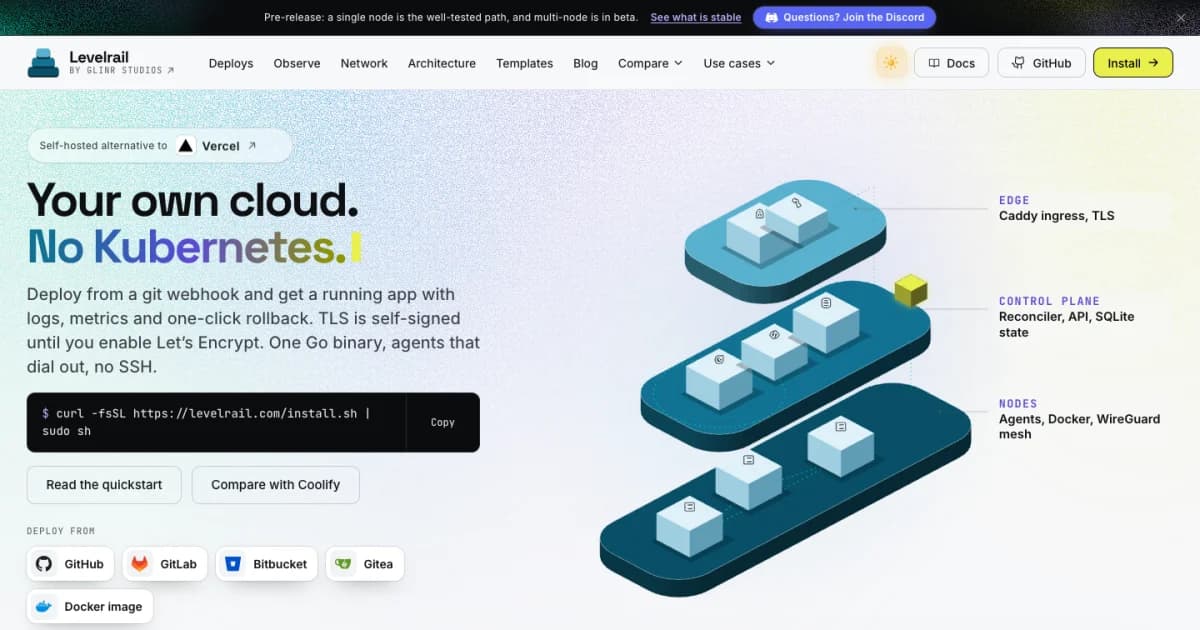
 Levelraillevelrail.com
Self-hosted PaaS for your own servers
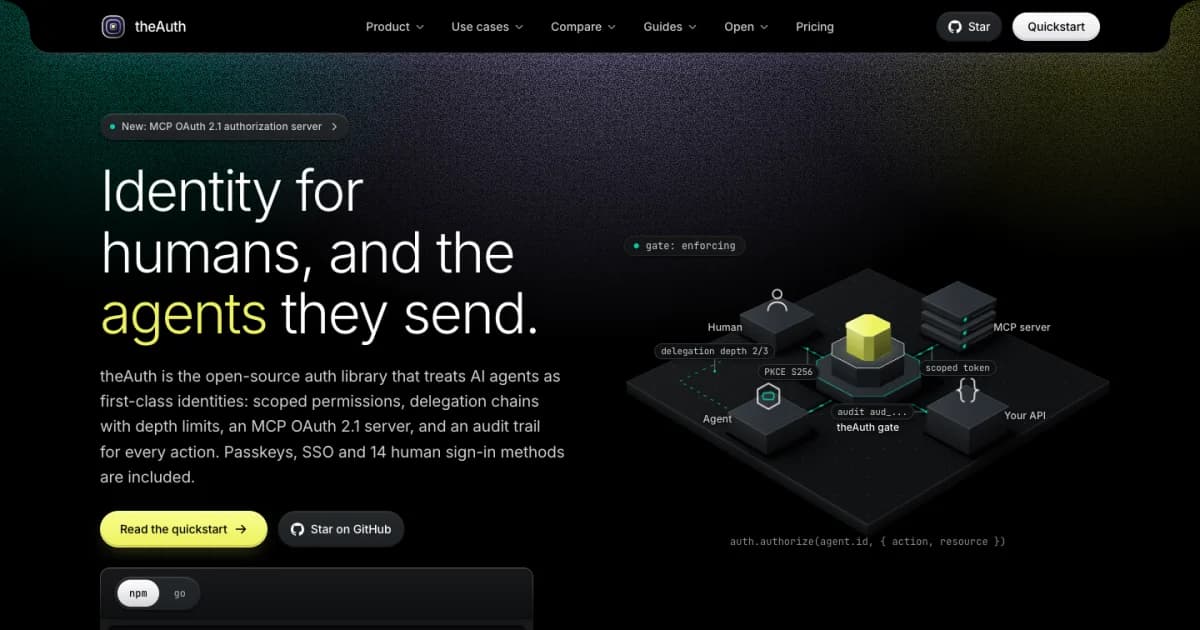
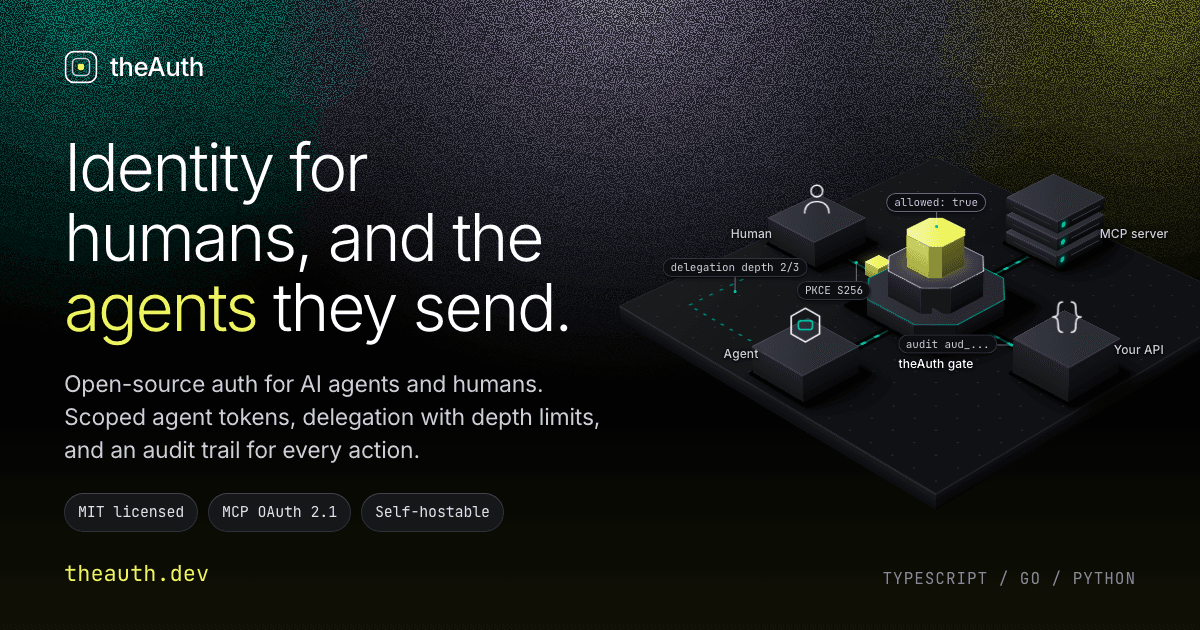
 theAuththeauth.dev
Open-source auth for modern apps
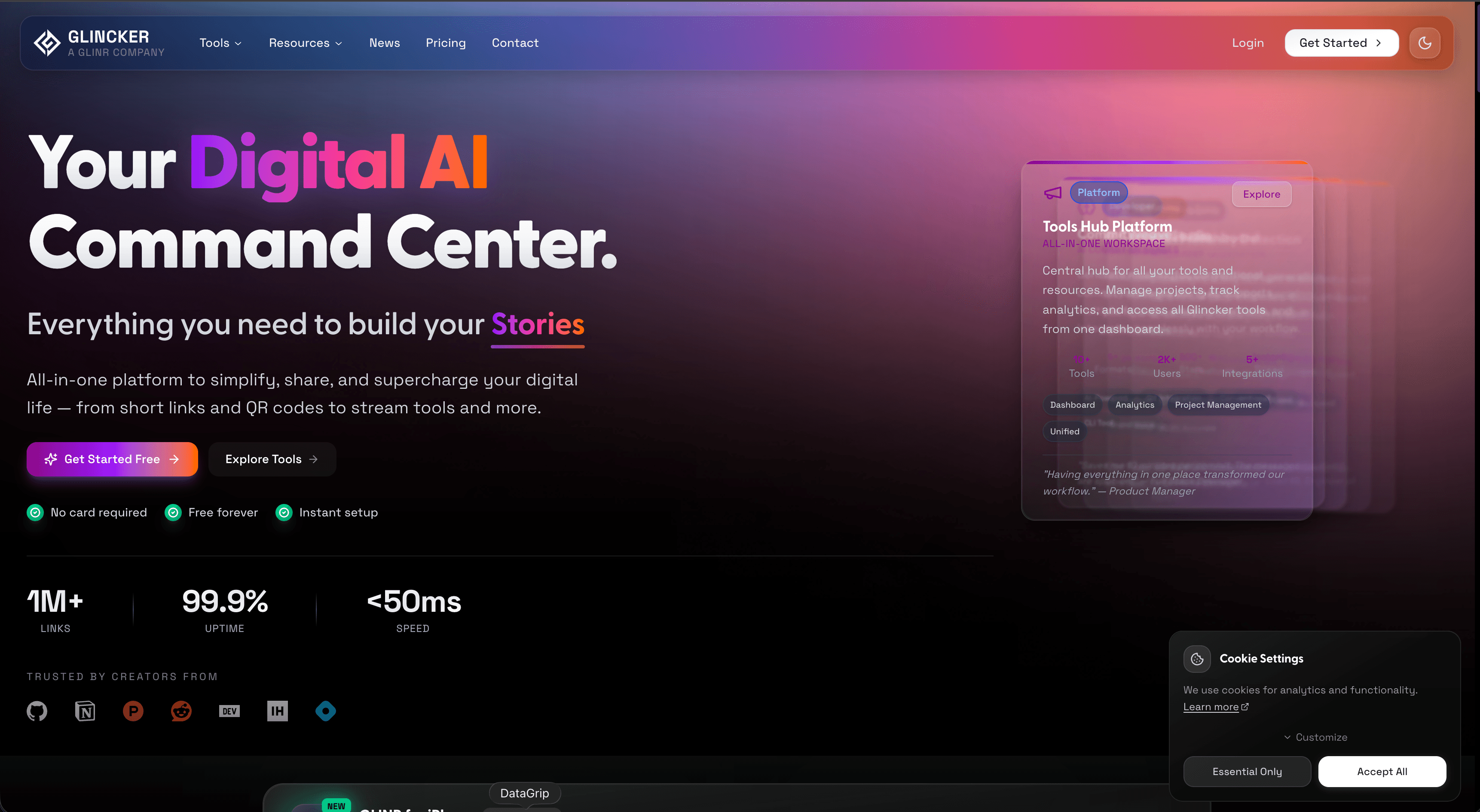
 GLINR STUDIOSglinr.com
Products and developer tools studio
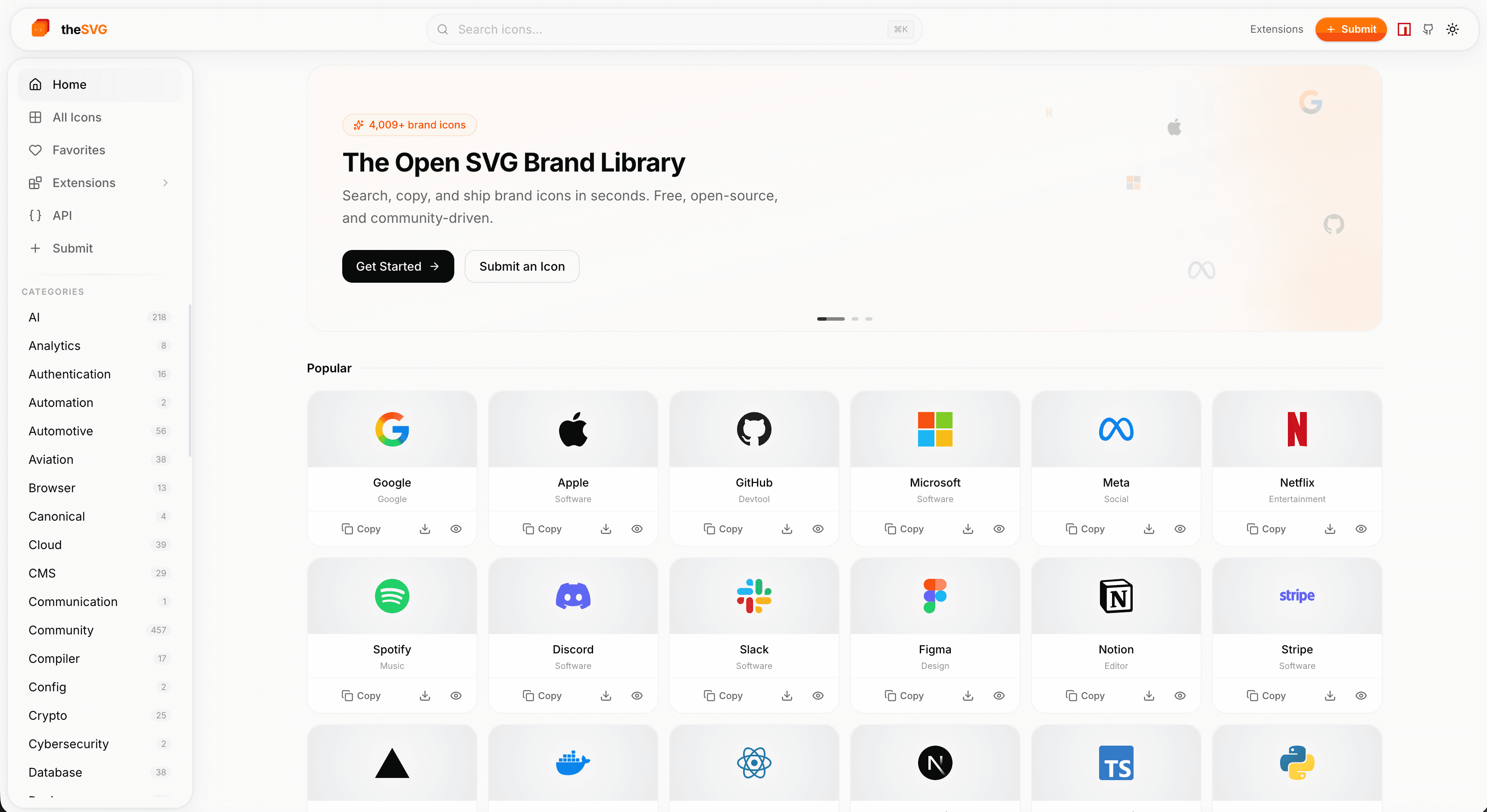 theSVGthesvg.org
SVG toolkit - React components, CLI, and MCP server
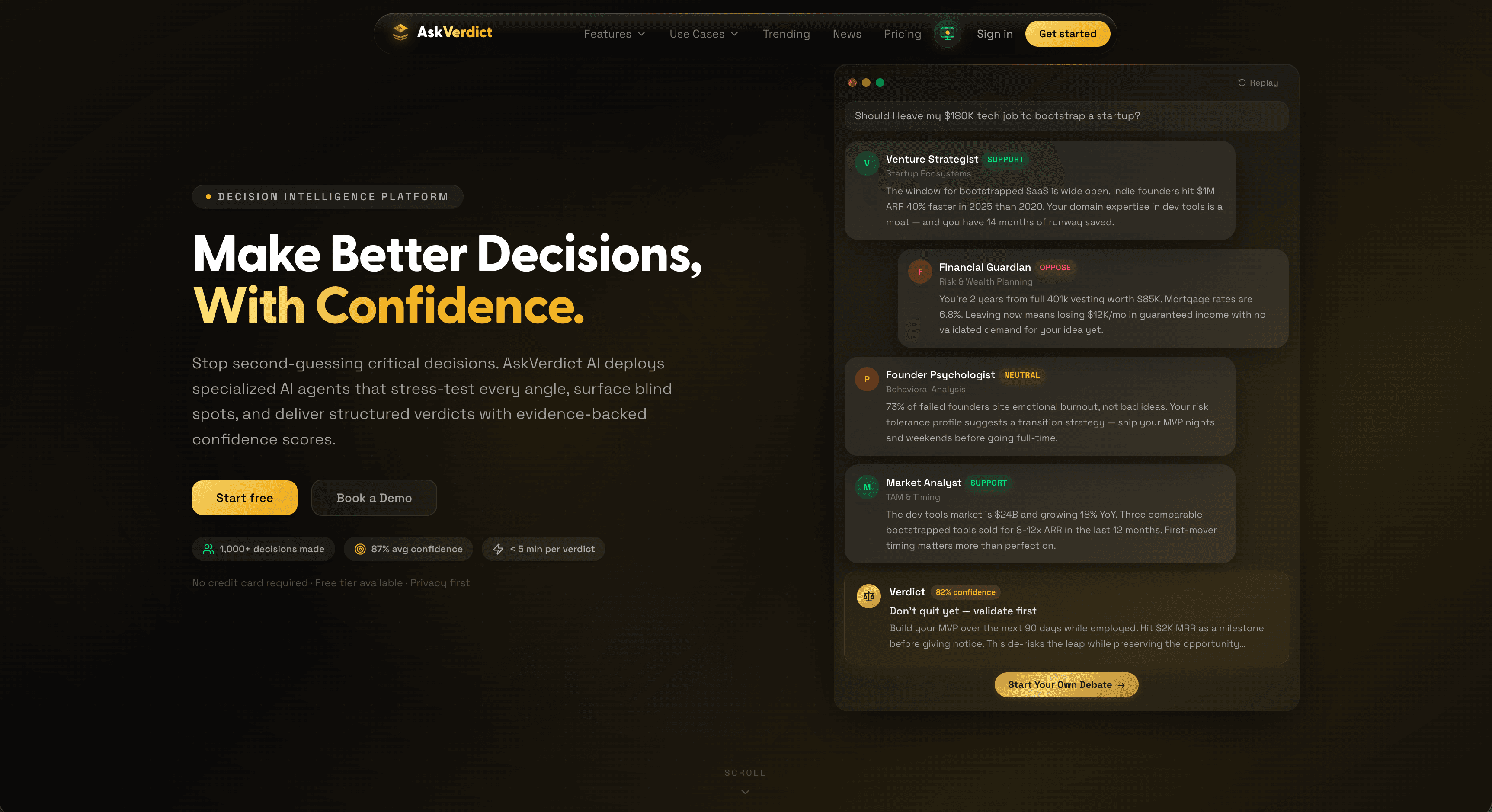 AskVerdictaskverdict.ai
Multi-model AI verdicts with confidence scores
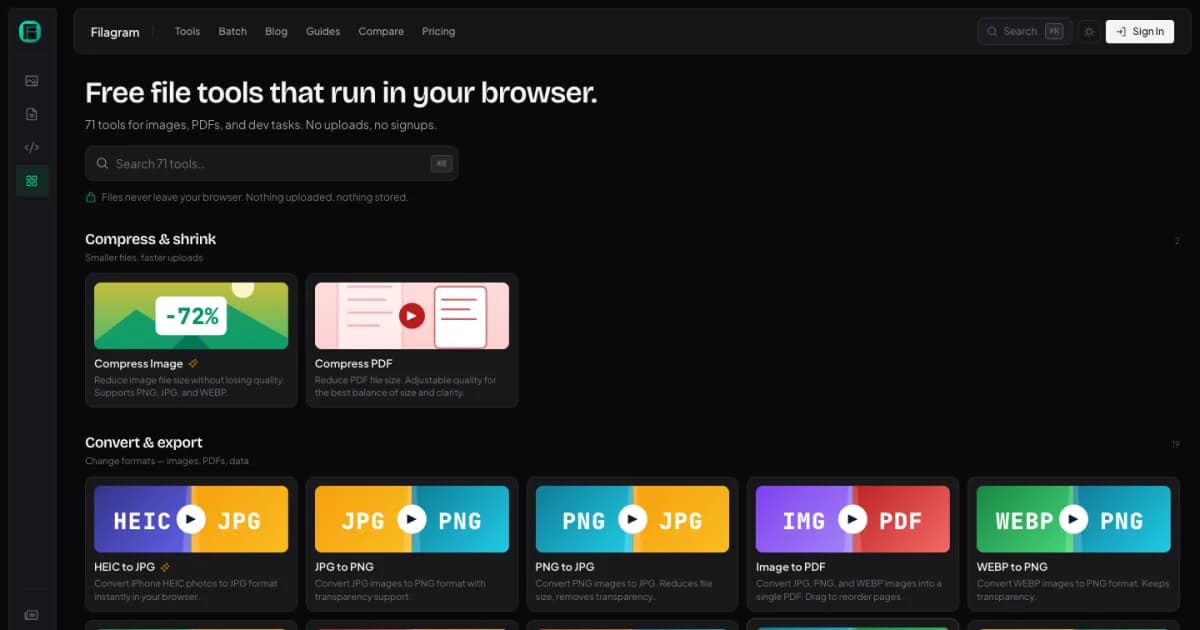
 Filagramfilagram.com
Private file tools that run in your browser
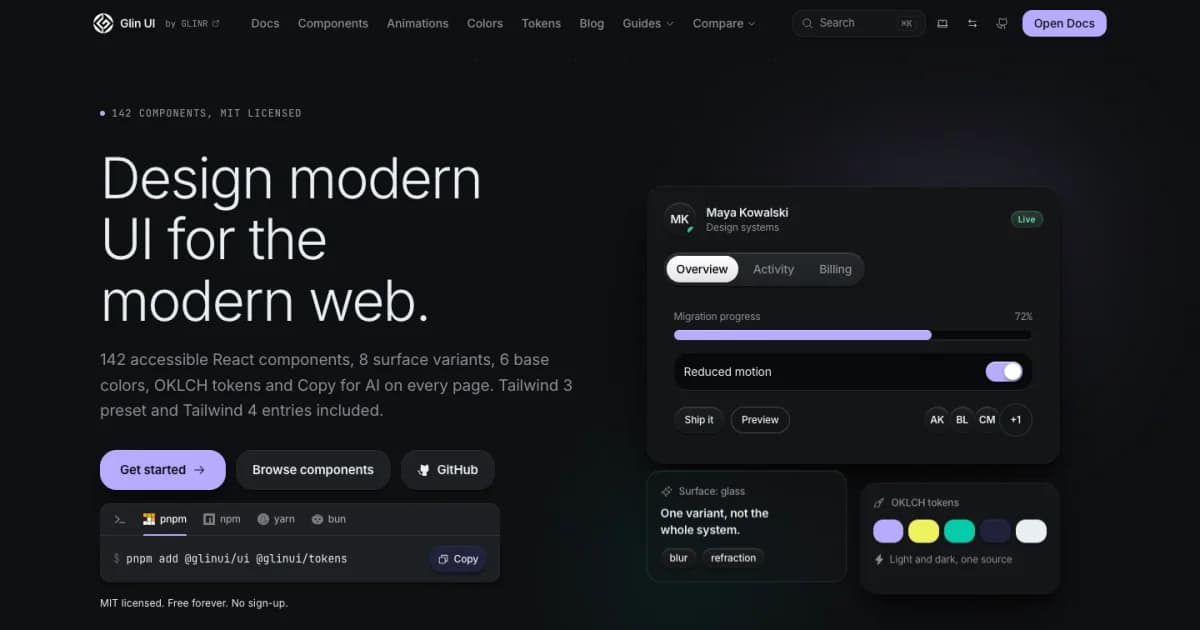
 GlinUIglinui.com
Accessible React component library
Platform and cloud
Read the migration case study1 week
Azure to GCP migration
Led at Xylo AI with a scope-first, rollback-first plan
~$200K / yr
Cloud spend cut
Pricing plus right-sizing during the move
Monolith to services
Django to Spring Boot and FastAPI
Including ML model serving and data pipelines
Kubernetes + Cloud Run
Bonvoy portal at Marriott
Frontend architecture on Next.js and GraphQL over AEM
Levelrail
Open source · self-hosted
Push to git, get a running app.
Turns your own Linux servers into a private cloud, with no Kubernetes to run. Follow one deploy from push to production.
- Push from anywhere. Push from any editor to GitHub, GitLab, Bitbucket or Gitea, run levelrail-cli from your computer, or let any CI hand over an image. Levelrail takes it from there.
- It builds the image. A push builds an image and starts the new container beside the running one, so nothing goes down while it builds.
- One control plane keeps it all running. Levelrail keeps your apps in the state you asked for: it checks reality against your setup on every pass and fixes any gap. It is one Go binary with its own dashboard, and its state lives in SQLite.
- Your servers do the work, and they dial out. Each agent dials out to the control plane over mutual TLS and drives Docker locally. Nothing listens on the nodes, so there are no inbound ports and no SSH keys, and a home server behind NAT works like a cloud VM.
- Traffic moves only when the new release is ready. The embedded Caddy ingress keeps sending traffic to the old container until the new one passes its readiness check, then cuts over. The old image stays pinned so a rollback is one command.
- AI assistants can operate it, with guardrails. An MCP server lets an assistant call the platform. It is read-only by default and in beta. Every call passes a token and permission check, write tools stay blocked until allow-write is set, and there is no AI inside the reconciler.
Open Source
- 0+
- npm downloads
- 0+
- jsDelivr hits
- 0+
- GitHub stars
- 0+
- npm downloads
- 0+
- Release downloads
- 0+
- Forks

last 30 days

last 30 days
across 82 repos
last 12 months

GitHub assets, all time
community copies
Top packages this month
- @thesvg/react383.7K npm · 4.6K CDN
- glin-profanity139.9K npm · 1.3K CDN
- @thesvg/icons87.7K npm · 176.8K CDN
- thesvg42.3K npm · 17.4K CDN
- @thesvg/mcp-server7.5K npm · 280 CDN
Live from npm, jsDelivr and GitHub. Updated hourly.
Featured Projects
View all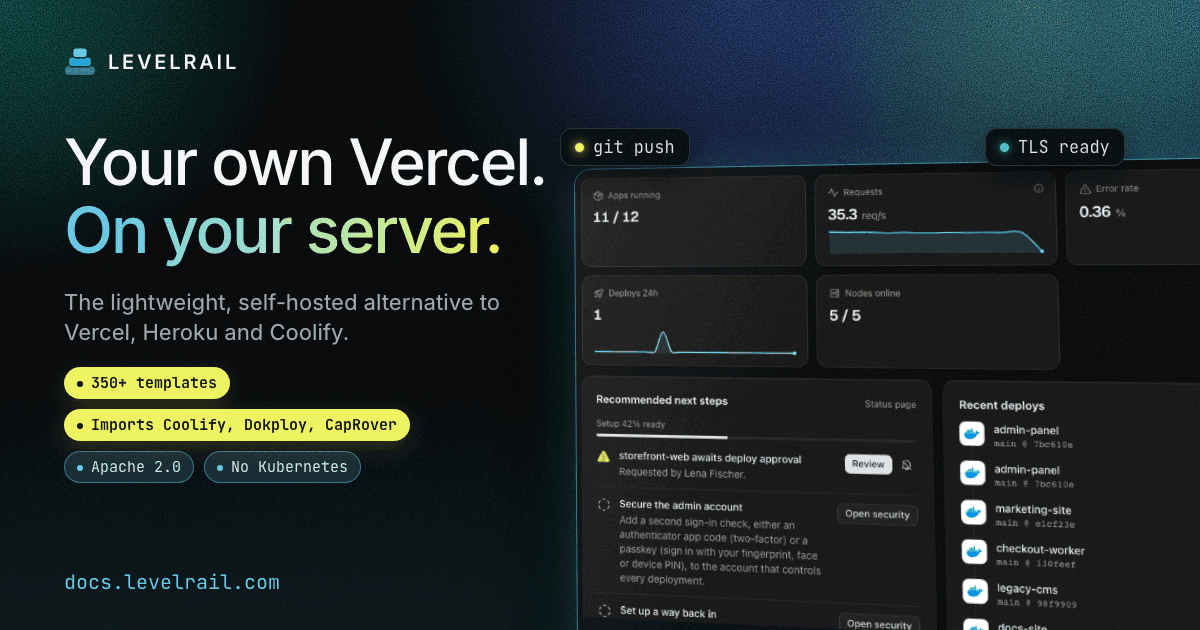
AI-powered verdict engine with multi-agent debate that cross-examines every question so you can decide with confidence.
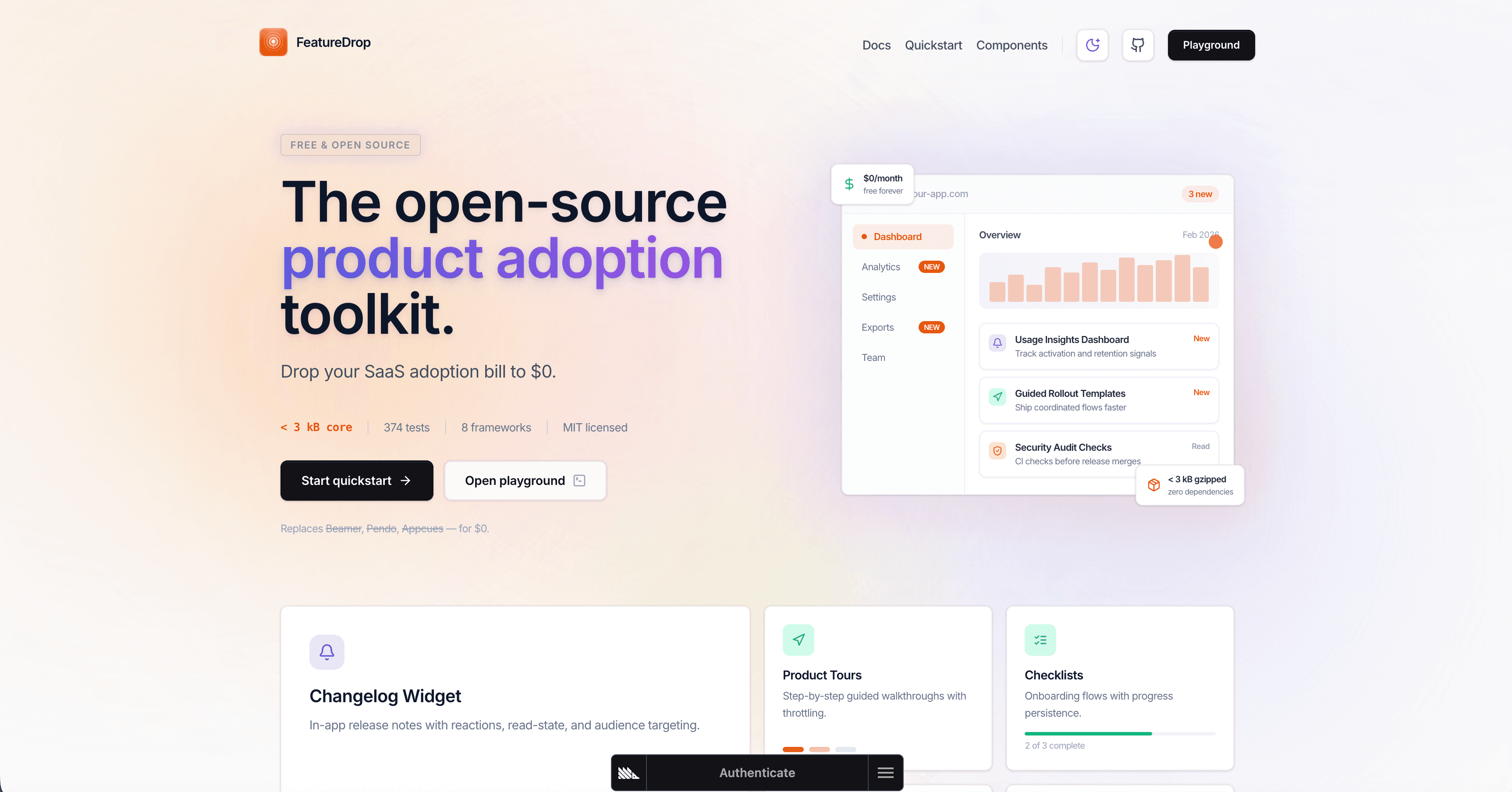
Open-source product adoption toolkit: feature announcements, guided tours, checklists, and in-app feedback, driven by a 3kB client-side behavioral engine.
glin-profanityProfanity detection & filtering across 24+ languages
glin-profanity-mcpMCP server for AI assistants with profanity detection as a tool
openclaw-profanityContent moderation plugin for OpenClaw AI agents
@glincker/geokitUnified CLI and pipeline to audit, generate, and convert for AI-readiness
@glincker/geo-auditAudit any website's AI-readiness and score it 0-100 for GEO
@glincker/geo-seoGenerate llms.txt, JSON-LD, robots.txt for AI discoverability
@glincker/geomarkConvert any URL to clean markdown for LLM context windows
kavachosAuth for AI agents and humans with OAuth, SAML, and MCP auth server (product now branded theauth)